Enterprise Development Skills Program
At the core of CAWODISA’s mission lies the Enterprise Development Skills Programme, a transformative effort designed to equip vulnerable individuals—particularly women and youth—with the tools to build sustainable livelihoods. By blending practical training, advisory support, and agricultural innovation, this programme not only addresses immediate economic needs but also cultivates long-term entrepreneurial spirit in regions like Kampala and beyond.
The programme’s holistic approach recognizes that true empowerment begins with knowledge and ends with action. It targets over 500 beneficiaries annually, drawing from CAWODISA’s network of families affected by disability, and integrates cultural sensitivity with market-driven strategies. Below, we explore its four key pillars, each tailored to the unique socio-economic landscape of Uganda.
i. Trade Development Advisory Services
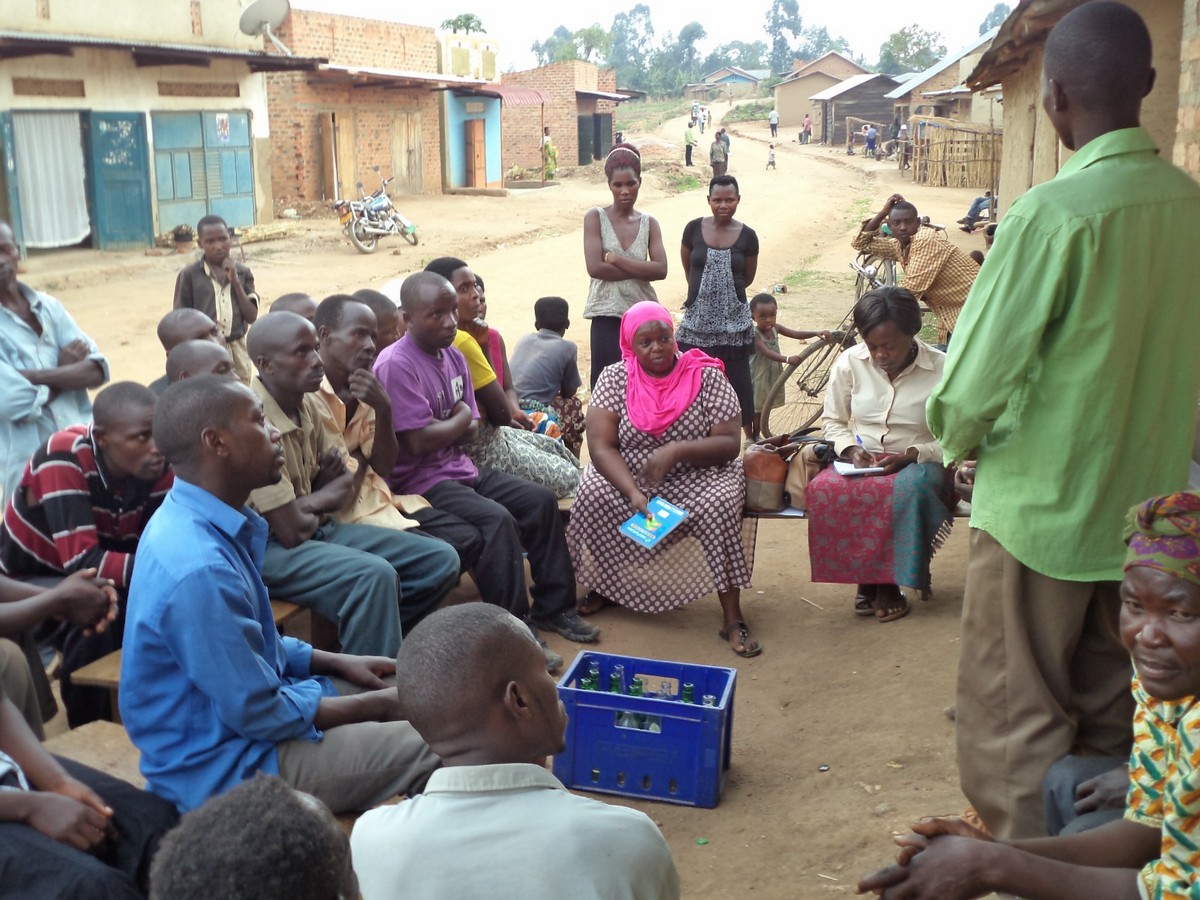
At the forefront of the programme is a suite of personalized trade development advisory services, offering free or low-cost consultations to aspiring entrepreneurs. These services act as a compass for participants, guiding them through the complexities of local and regional markets. Advisors—experienced mentors from CAWODISA’s volunteer network—provide insights on market trends, supply chain logistics, and regulatory compliance, with a special focus on sectors like agribusiness and handicrafts.
For instance, a widow starting a small-scale poultry farm might receive tailored advice on sourcing affordable feed from Kampala’s bustling markets or negotiating fair prices with buyers in nearby districts. Through one-on-one sessions and group workshops held at CAWODISA’s community centers, beneficiaries learn to identify viable trade opportunities, mitigate risks like seasonal price fluctuations, and scale their ventures sustainably. This pillar has already sparked over 150 micro-enterprises, injecting vital income into households and challenging stereotypes around disability in business.
ii. Business Planning & Skills Training Programs
Knowledge is power, and CAWODISA’s business planning and skills training programs deliver it in digestible, actionable modules. Running in three-month cycles, these sessions cover everything from crafting a solid business plan to mastering financial literacy and digital marketing basics. Delivered via interactive workshops, peer-learning circles, and even mobile training units that reach rural outposts, the programme emphasizes practical skills over theory—think hands-on budgeting exercises using real Ugandan shillings or role-playing customer negotiations.
A standout feature is the mentorship pairing, where trained facilitators pair participants with successful local entrepreneurs, ensuring accountability and real-world application. Women, who form 70% of trainees, often focus on home-based enterprises like soap-making or tailoring, while youth explore tech-enabled ideas like online marketplaces for farm produce. Graduates emerge not just with certificates, but with ready-to-launch business canvases, boasting a 65% success rate in launching ventures within six months. This training arm empowers participants to dream big, turning personal challenges into profitable passions.
iii. Demonstration Plots for Cash Crop Scheme
Agriculture remains the backbone of Uganda’s economy, and CAWODISA leverages this through its demonstration plots for cash crop schemes—living classrooms that showcase profitable, low-input farming. Scattered across community lands in Central Uganda, these one-acre plots serve as experimental hubs for high-value crops like coffee, vanilla, and passion fruit, demonstrating climate-resilient techniques amid the country’s unpredictable weather.
Participants visit these sites for guided tours, where they witness integrated pest management, soil enrichment with organic compost, and intercropping methods that boost yields by up to 40%. The scheme isn’t just observational; beneficiaries receive starter kits to replicate models on their own smallholder farms, complete with follow-up monitoring to troubleshoot issues. In a pilot phase, these plots have generated collective revenues exceeding UGX 50 million for 200 families, proving that cash crops can be a reliable pathway out of subsistence farming. By highlighting success stories—like a disabled veteran’s wife who tripled her income from vanilla exports—CAWODISA inspires a ripple effect of adoption across villages.
iv. Seedling Propagation Programmes
Sustainability starts at the root, quite literally, with CAWODISA’s seedling propagation programmes. These initiatives establish community nurseries that produce thousands of high-quality seedlings for fruit trees, vegetables, and timber species, distributed free to programme participants. Operating from eco-friendly greenhouses in Kampala’s outskirts, the nurseries emphasize indigenous and drought-resistant varieties, ensuring accessibility for small-scale farmers facing land constraints.
Beyond distribution, the programme includes training on propagation techniques—such as grafting and hydroponic starters—to build local capacity. This not only cuts costs (seedlings are provided at 80% below market rates) but also promotes environmental stewardship, with a focus on agroforestry to combat soil erosion in Uganda’s hilly terrains. Over 10,000 seedlings have been propagated in the last year alone, greening barren plots and fortifying food security. One beneficiary, a young mother from a disabled soldier’s family, transformed her backyard into a thriving orchard, now supplying fresh produce to local schools and earning supplemental income.
CAWODISA’s Enterprise Development Skills Programme is more than a set of services—it’s a catalyst for dignity and independence. By weaving together advisory wisdom, skill-building, on-the-ground demonstrations, and resource provision, it addresses the intertwined barriers of disability, gender inequality, and economic exclusion. As Uganda strides toward Vision 2040, programmes like this one ensure no family is left behind, turning potential into prosperity one empowered entrepreneur at a time.
CAWODISA is an independent,nongovernment; nonpolitical, nonprofit CSO that was formed in 1997 as a women’s collective response to the unique challenges faced by families of soldiers with disabilities.

- Interventions for Disability in Early Childhood
- An integrated HIV/AIDS Control
- Self-help and income generating Programme
- Enterprise Development Skills Programme
- Togetherness and cultural development programs
- Awareness, Knowledge and Information Exchange Programme
- Agriculture, environment and health Programme
- Education and Job skills Programme
Copyright 2025 The Children and Wives of Disabled Soldiers’ Association (CAWODISA)–All Rights Reserved