Agriculture, Environment & Health Programme
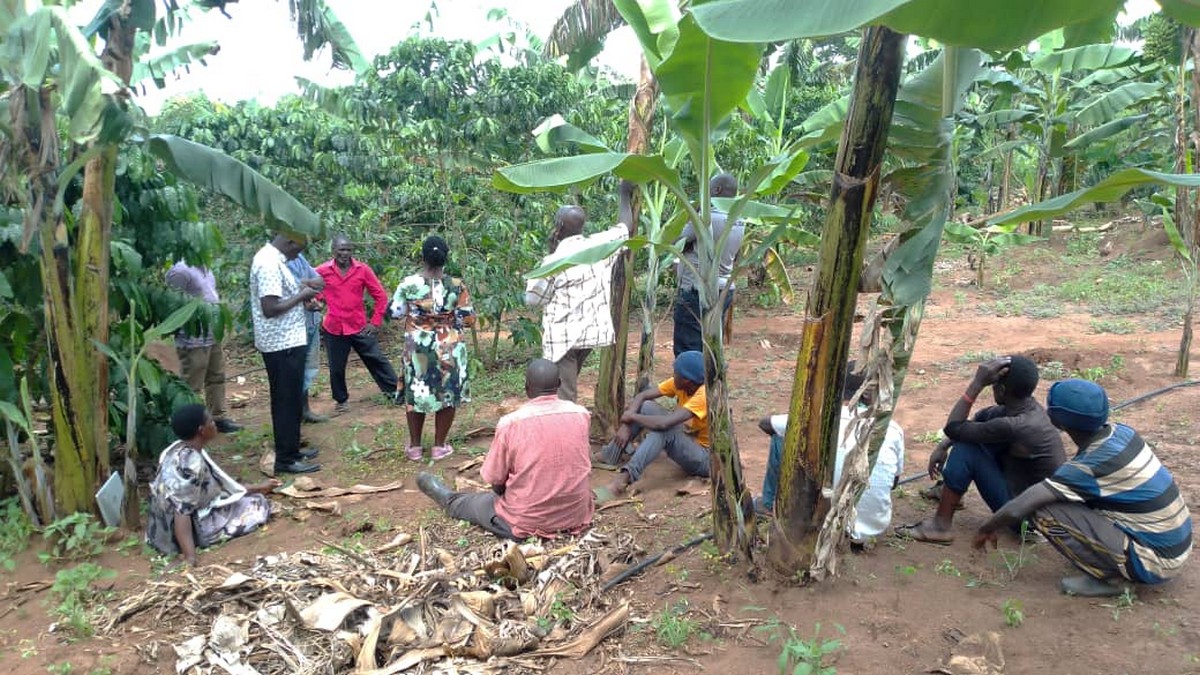
A holistic initiative that weaves together sustainable farming, ecological stewardship, and community well-being. Launched in 2012 with support from local partners and international donors like the European Union and USAID, this program addresses the intertwined challenges of food insecurity, environmental degradation, and public health in a region vulnerable to climate change and poverty.
The program’s philosophy is simple yet profound: healthy environments foster healthy people, and empowered communities cultivate lasting change. By integrating agriculture as the foundation, environmental conservation as the guardian, and health interventions as the nurturer, CAWODISA has touched over 15,000 lives across 50 villages. Participants—primarily smallholder farmers, youth groups, and families—receive training, resources, and ongoing support to build self-reliance. Below, we explore the program’s key pillars, each designed to create ripple effects of sustainability and equity.
i. Sanitation Programs: Building Foundations for Dignity and Disease Prevention
Clean water and proper sanitation are the unsung heroes of community health, and CAWODISA’s sanitation initiatives tackle Uganda’s stark realities head-on—where only 19% of rural households have access to improved sanitation, according to recent WHO data. These programs focus on constructing eco-friendly latrines, handwashing stations, and waste management systems in schools and households.
Through hands-on workshops, community members learn to build affordable, durable facilities using local materials like bamboo and recycled plastics. In Mukono District alone, over 2,000 latrines have been installed since 2018, reducing diarrheal diseases by 40% in targeted areas. Women and girls, who bear the brunt of waterborne illnesses and sanitation-related stigma, are prioritized, with mobile hygiene education campaigns reaching remote homesteads. By linking sanitation to school retention—especially for girls during menstruation—CAWODISA ensures that health gains translate into educational opportunities, fostering a cycle of empowerment.
ii. Fruit Growing Programs: Nourishing Bodies and Boosting Incomes
In Uganda’s fertile soils, fruit cultivation isn’t just farming—it’s a pathway to nutrition and economic independence. CAWODISA’s fruit growing programs distribute high-yield seedlings of mangoes, avocados, pineapples, and passion fruits to over 5,000 smallholder farmers annually. Tailored to local climates, these efforts include drip irrigation training and organic pest management to combat erratic rainfall patterns exacerbated by climate change.
The impact is tangible: families report a 30% increase in household income from fruit sales at local markets, while school gardens provide fresh produce to combat malnutrition—affecting 29% of Ugandan children under five, per UNICEF. Youth-led cooperatives manage orchards, turning green spaces into vibrant enterprises. One beneficiary, a single mother from Wakiso, shared: “These fruits fed my children and funded their school fees—it’s a harvest of hope.” By emphasizing agroforestry, the program also sequesters carbon, aligning nutrition with environmental goals.
iii. Tree Planting / Tree Seedlings Propagation Programs: Greening Uganda for Future Generations
Deforestation claims 2% of Uganda’s forests yearly, threatening biodiversity and livelihoods. CAWODISA counters this with ambitious tree planting and seedling propagation drives, aiming to restore 1,000 hectares by 2030. Community nurseries produce indigenous species like shea trees, eucalyptus, and fruit-bearing exotics, distributed free to farmers and schools.
Annual “Green Days” events mobilize hundreds of volunteers for mass plantings along riverbanks and degraded farmlands, coupled with propagation training that teaches grafting and soil enrichment. In partnership with the National Forestry Authority, these efforts have planted over 500,000 seedlings since inception, enhancing soil fertility, preventing erosion, and providing shade for livestock. Beyond ecology, the program builds social cohesion—women’s groups propagate seeds as micro-businesses, selling surplus to fund other initiatives. It’s a living legacy: trees that oxygenate the air today will shade tomorrow’s children.
iv. Send-an-Animal Schemes: Igniting Self-Sustaining Livelihoods
Drawing inspiration from global models like Heifer International, CAWODISA’s “Send-an-Animal” scheme gifts livestock—goats, chickens, pigs, and bees—to vulnerable families, with a “pass-it-on” clause ensuring the first offspring is shared with another household. This pass-it-forward approach has distributed 3,000 animals since 2015, creating a web of shared prosperity.
Veterinary training, fodder crop integration, and market linkage workshops equip recipients to thrive. In pastoral communities, where animal theft and disease loom large, the scheme has boosted protein intake by 25% and household savings for education and health. A widow in rural Mukono, starting with two goats, now runs a thriving dairy operation: “This gift multiplied into a future for my family.” By tying animal husbandry to environmental practices—like rotational grazing to prevent overland degradation—the program ensures animals are allies, not burdens, in sustainable development.
v. Drug/Substance Abuse Prevention Programs: Safeguarding Youth from Hidden Epidemics
Amid rising youth unemployment and urban migration, substance abuse— including khat, alcohol, and cannabis—erodes Uganda’s social fabric, with 13% of teens affected per national surveys. CAWODISA’s prevention programs deploy peer-led education in schools and youth clubs, using drama, sports, and counseling to dismantle stigma and build resilience.
Trained facilitators deliver sessions on the neurological impacts of drugs, intertwined with life skills like entrepreneurship from the agriculture programs. Hotlines and community watch groups provide early intervention, while partnerships with rehabilitation centers offer pathways to recovery. In Wakiso, dropout rates linked to substance use have fallen by 35%, with alumni crediting the program’s holistic approach: “It didn’t just warn us—it equipped us to dream bigger.” By addressing root causes like poverty through linked economic initiatives, CAWODISA turns prevention into prevention-plus-empowerment.
vi. Intervention in Disability in Early Childhood Programmes: Nurturing Every Child’s Potential
One in 20 Ugandan children lives with a disability, often undiagnosed in early years, leading to lifelong barriers. CAWODISA’s early intervention programs screen infants and toddlers in rural clinics, providing therapies, assistive devices, and parental training to mitigate developmental delays.
Mobile units equipped with physiotherapists and speech specialists visit hard-to-reach areas, while “inclusive playgroups” integrate disabled children with peers, fostering social skills. Supported by the Ministry of Gender, Labour, and Social Development, these efforts have reached 1,500 children, improving motor and cognitive outcomes by 50% in pilot cohorts. A mother’s story from Mukono encapsulates the magic: “My son couldn’t walk at two; now at four, he’s chasing his siblings in the orchard we planted together.” By embedding disability inclusion across all program pillars—from accessible sanitation to animal-handling aids—CAWODISA ensures no child is left behind.
A Legacy of Interconnected Impact
CAWODISA’s Agriculture, Environment, and Health Programmes are more than standalone efforts; they form an ecosystem where sanitation safeguards health, fruits and trees sustain the land, animals fuel economies, prevention protects futures, and early interventions unlock potential.
CAWODISA is an independent,nongovernment; nonpolitical, nonprofit CSO that was formed in 1997 as a women’s collective response to the unique challenges faced by families of soldiers with disabilities.

- Interventions for Disability in Early Childhood
- An integrated HIV/AIDS Control
- Self-help and income generating Programme
- Enterprise Development Skills Programme
- Togetherness and cultural development programs
- Awareness, Knowledge and Information Exchange Programme
- Agriculture, environment and health Programme
- Education and Job skills Programme
Copyright 2025 The Children and Wives of Disabled Soldiers’ Association (CAWODISA)–All Rights Reserved