Education & Job Skills Programme
A multifaceted initiative designed to break cycles of poverty by equipping children and adults with foundational education and practical vocational skills. This programme not only invests in early childhood learning but also bridges the gap to sustainable livelihoods, transforming lives one skill at a time.
i. CAWODISA Nursery Schools Development Projects
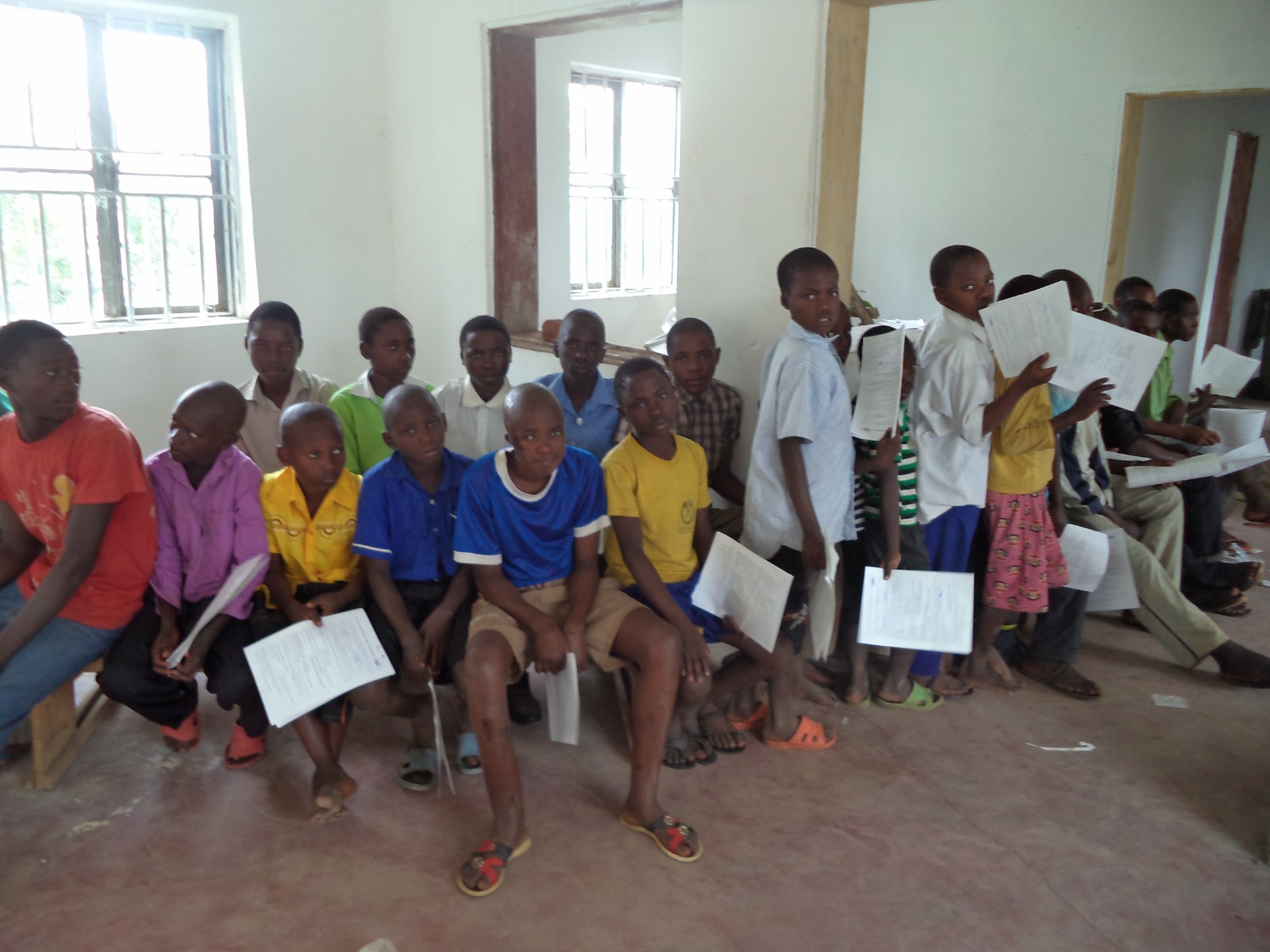
Recognizing that early education is the cornerstone of lifelong success, CAWODISA’s nursery school projects focus on creating nurturing environments for children aged 3-6 from disadvantaged families, including those of disabled veterans. These initiatives emphasize play-based learning, basic literacy, numeracy, and social-emotional development to prepare young minds for primary education. Key activities include constructing child-friendly classrooms, training local caregivers, and integrating nutrition and health education to combat malnutrition—a common barrier in rural Ugandan communities.
Through partnerships with local authorities and donors, CAWODISA has expanded access to quality early childhood care in Mubende and surrounding areas. For instance, projects incorporate community involvement, such as parent-teacher associations, to ensure sustainability. The impact is profound: children in these nurseries show improved school readiness, with higher enrollment rates in primary schools and reduced dropout risks later on. By addressing the foundational needs of the youngest members of veteran families, these projects lay the groundwork for generational change, empowering mothers—who often bear the brunt of caregiving—to pursue their own opportunities.
ii. CAWODISA Army Primary Schools Development Projects
Building on the nursery foundation, CAWODISA’s Army Primary Schools development projects honor the legacy of disabled soldiers by providing inclusive, quality primary education tailored to their children’s needs. The flagship effort is the CAWODISA Army Primary School (CAWODISA ARMY P/S) in Kibalinga Sub-County, Mubende District, a government-supported institution under Uganda’s Universal Primary Education (UPE) framework. This school serves over 500 pupils, many from families impacted by military service-related disabilities, offering a safe space for learning amid challenging socio-economic conditions.
Development activities encompass infrastructure upgrades—like building modern classrooms and sanitation facilities—teacher capacity building, and curriculum enhancements that include life skills, environmental awareness, and disability-inclusive practices. CAWODISA collaborates with district education offices to secure funding and resources, ensuring the school meets national standards while addressing local gaps, such as access for children with disabilities. The results are encouraging: improved academic performance, with pupils outperforming regional averages in literacy and math, and a strong emphasis on retention to prevent early marriage or labor exploitation among girls. These projects not only educate but also instill pride and resilience, helping children of soldiers envision brighter futures beyond their parents’ hardships.
iii. Vocational Training Programmes
To transition education into economic independence, CAWODISA’s vocational training arm equips youth and women with market-relevant skills, focusing on high-demand sectors that align with Uganda’s agricultural economy and creative industries. Delivered through hands-on workshops at CAWODISA’s training centers in Mubende, these programmes target 18-35-year-olds, prioritizing spouses and children of disabled soldiers. Training durations range from 3-6 months, combining theory, practical sessions, and entrepreneurship guidance, with linkages to microfinance and markets for startup support.
The curriculum spans diverse fields:
- Agribusiness: Participants learn sustainable farming techniques, crop diversification (e.g., coffee and maize), poultry rearing, and value addition like processing. This addresses food security while creating income streams, with graduates often forming cooperatives for bulk sales.
- Tailoring & Garment Cutting: Hands-on sewing, pattern-making, and design skills enable trainees to produce uniforms, household items, and custom clothing. Many start home-based businesses, contributing to local textile economies.
- Weaving: Traditional and modern weaving methods using local materials like sisal and cotton teach crafting of baskets, mats, and fabrics, preserving cultural heritage while opening artisan markets.
- Metal and Wood Works: Basic carpentry, welding, and furniture-making empower trainees to repair tools or build household items, filling gaps in rural service provision.
- Simple Bakery and Cookery Programmes: Hygiene-focused training in baking bread, pastries, and local staples, alongside cookery for catering, equips participants for small-scale enterprises or employment in hospitality.
Over 1,000 individuals have benefited annually, with success stories of women like those who launched tailoring cooperatives generating steady income. By integrating HIV/AIDS awareness and gender-sensitive approaches, these trainings promote holistic empowerment, reducing dependency and fostering community-led growth.
CAWODISA’s Education and Job Skills Programme exemplifies how targeted, community-driven efforts can uplift marginalized groups in Uganda. By nurturing young minds and skilled hands, it not only honors the sacrifices of disabled soldiers but also sows seeds for a more equitable society.
CAWODISA is an independent,nongovernment; nonpolitical, nonprofit CSO that was formed in 1997 as a women’s collective response to the unique challenges faced by families of soldiers with disabilities.

- Interventions for Disability in Early Childhood
- An integrated HIV/AIDS Control
- Self-help and income generating Programme
- Enterprise Development Skills Programme
- Togetherness and cultural development programs
- Awareness, Knowledge and Information Exchange Programme
- Agriculture, environment and health Programme
- Education and Job skills Programme
Copyright 2025 The Children and Wives of Disabled Soldiers’ Association (CAWODISA)–All Rights Reserved