Interventions for Disability in Early Childhood
Interventions for Disability in Early Childhood (IDEC) Project, a flagship initiative aimed at transforming early detection and support for children with developmental delays and disabilities (CDDs).
Project Overview
Launched as a multi-country pilot in 2018, the IDEC Project is funded by the Swedish H&M Foundation through UNICEF and led by Uganda’s Ministry of Health, with CAWODISA serving as the primary implementing partner. The project integrates disability-inclusive services into routine primary health care (PHC) to ensure timely identification and intervention for infants and toddlers aged 0-3 years. It operates in two phases: a proof-of-concept period (2018-2022) focused on Mubende and Kassanda districts, followed by scale-up (2021 onward) to three additional districts, and an evaluation phase (2023-2026). By embedding interventions within maternal, newborn, and child health (MNCH) platforms, IDEC seeks to bridge gaps in early childhood development, reduce stigma, and foster inclusive communities.
Key Objectives
The project pursues three core objectives:
- Establish a Robust Service Delivery Model: Develop a three-tier system (national, district, and sub-county levels) for the early identification of CDDs within PHC settings, ensuring seamless referrals to specialized care.
- Enhance Family and Community Support: Provide caregiver skills training (CST) and early motor development skills (EMDS) to families, while promoting social and behavior change communication (SBCC) to combat discrimination and stigma.
- Build Capacity and Coordination: Strengthen multi-sectoral collaboration involving health workers, educators, and community leaders to create sustainable, disability-sensitive health systems.
Core Activities
IDEC leverages existing PHC entry points—such as immunization sessions, young child clinics, maternity wards, nutrition units, and outpatient departments—to screen children routinely. Key activities include:
- Capacity Building: Cascaded trainings for frontline health workers (e.g., nurses, midwives, and clinical officers) on screening tools, CST, and EMDS. Village health teams (VHTs) play a pivotal role in community outreach and referrals.
- Peer Support Networks: Formation of monthly parent support groups to facilitate discussions on positive parenting, emotional well-being, and income-generating opportunities, empowering caregivers economically and socially.
- Referral and Coordination Mechanisms: Establishment of IDEC committees at various levels for multi-disciplinary case management, with digitized data tools planned for improved tracking.
- Community Engagement: SBCC campaigns to normalize disability discussions, reduce isolation, and encourage male involvement in caregiving.
Target Areas and Beneficiaries
The project targets children aged 0-3 years at risk of or living with CDDs in five districts across Uganda’s Central and Western regions: Mubende, Kassanda, Kikuube, Kyegegwa, and Kabarole. These areas were selected for their high poverty rates and limited access to specialized services. Beneficiaries extend to families, caregivers, and over 1,000 health workers trained to date, with a focus on underserved rural communities.
Partners and Funding
CAWODISA collaborates closely with:
- Uganda Ministry of Health: Overall leadership and policy integration.
- UNICEF Uganda: Technical expertise, funding coordination, and monitoring (key contacts include Health Specialist Dr. Fred Kagwire).
- Swedish H&M Foundation: Primary financial supporter for the pilot and scale-up.
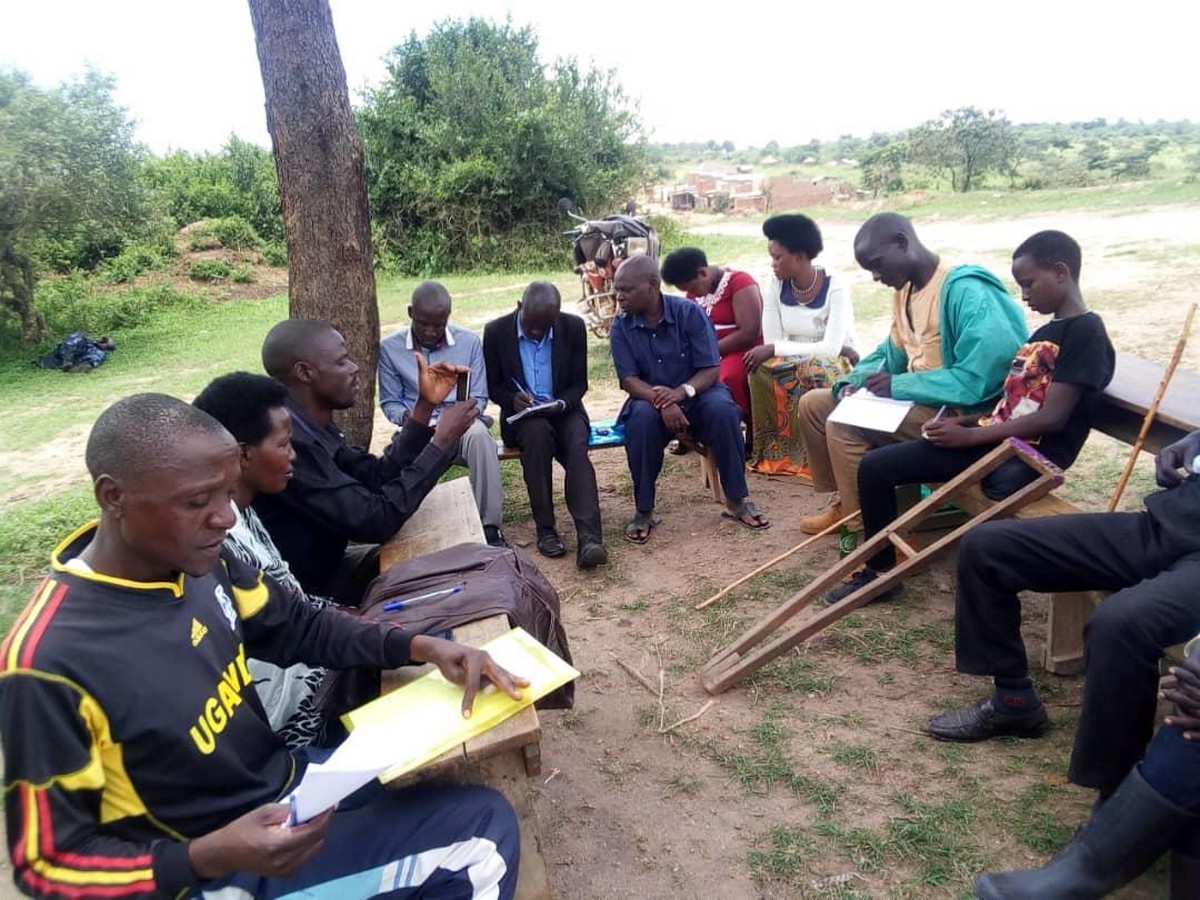
CAWODISA is an independent,nongovernment; nonpolitical, nonprofit CSO that was formed in 1997 as a women’s collective response to the unique challenges faced by families of soldiers with disabilities.

- Interventions for Disability in Early Childhood
- An integrated HIV/AIDS Control
- Self-help and income generating Programme
- Enterprise Development Skills Programme
- Togetherness and cultural development programs
- Awareness, Knowledge and Information Exchange Programme
- Agriculture, environment and health Programme
- Education and Job skills Programme
Copyright 2025 The Children and Wives of Disabled Soldiers’ Association (CAWODISA)–All Rights Reserved